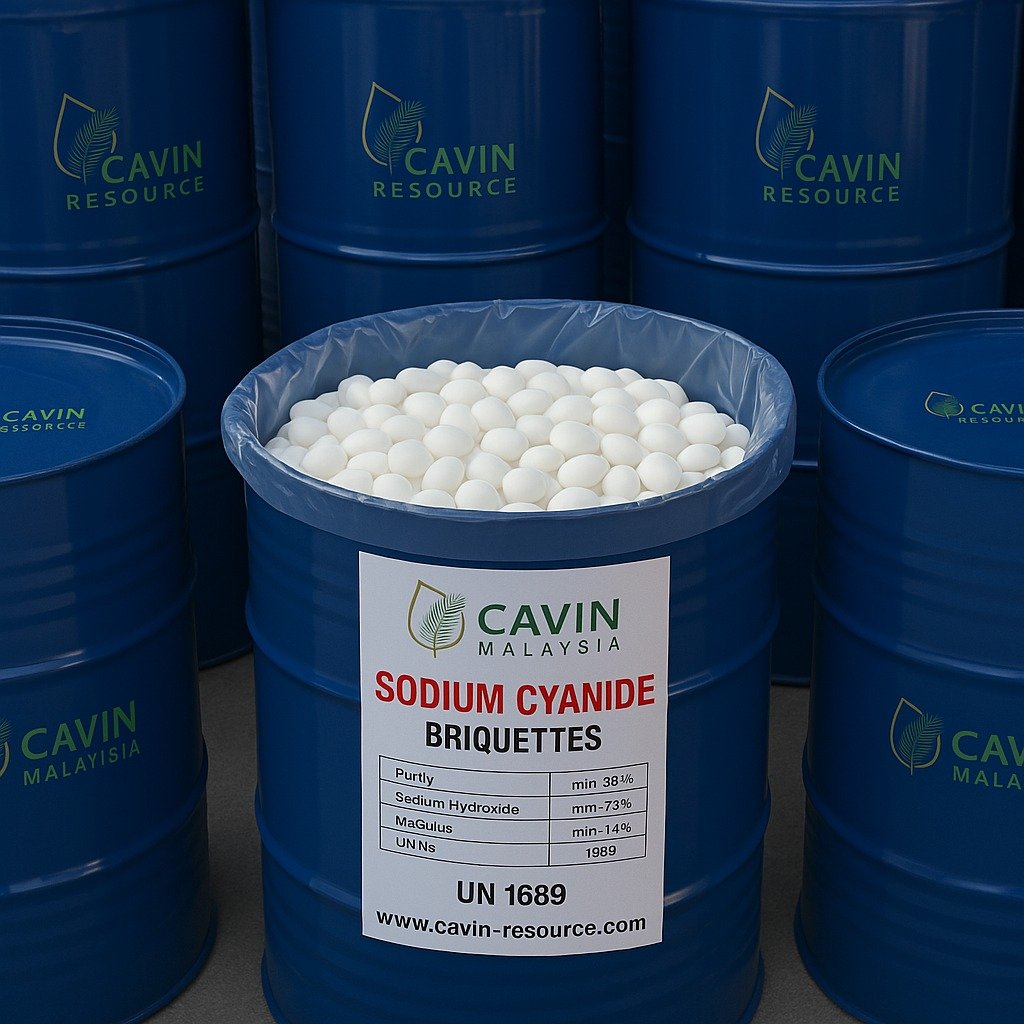
Acquiring sodium cyanide presents serious challenges due to its restricted status. Typically , it's inaccessible to the individual without necessary licensing . Legitimate manufacturing operations, such as metal refining, are the primary sources and necessitate strict following of local laws . Attempting to get this compound through illegal channels carries extreme legal penalties . Hence, this discussion cannot provide information on how to illegally procure this toxic chemical . Alternatively, we emphasize on understanding the legal avenues and the necessity of responsible handling practices – always consulting certified experts.
```text
Sodium Cyanide Price Trend: Recent Fluctuations and Future Outlook
The existing NaCN price has experienced notable fluctuations recently due to a combination of elements . logistical disruptions , resulting in international uncertainty and amplified demand from the metallurgical industry have contributed to the increasing trend. Experts predict that this instability will potentially continue shortly, although a leveling off in click here prices is anticipated when distribution issues are resolved and need stabilizes . Long-term forecast remains cautiously optimistic , reliant on worldwide conditions and sustained development in alternative technologies .
```
Prominent Sodium Cyanides Suppliers in India: A Detailed List
Finding trusted sources for sodium cyanides in India can be complex, given the stringent regulations surrounding its manufacture . This report aims to outline a detailed catalog of key Indian companies involved in the fabrication of this substance. While a exhaustive enumeration is nearly impossible due to the controlled nature of the industry, we’ve compiled information on several important entities including Gujarat State Alkalies and Chemicals Ltd., Oswal Chemicals, and several smaller, niche manufacturers . Note that obtaining sodium cyanide requires suitable licensing and adherence to applicable safety protocols – this roster is for informational purposes only and does not constitute an recommendation of any particular firm . We encourage thorough due assessment before engaging any producer .
```text
Understanding Sodium Cyanide: Is It a Base? Chemical Properties Explained
Sodium cyanide's (NaCN) presents a complex chemical manner, often leading debate about its categorization as a base. While it can function as a base under certain conditions, it's more accurately described as a salt. The cyanide anion, CN-, possesses a unpaired pair of electrons, allowing it to impart electrons, a characteristic linked with basicity. However, this electron couple is strongly held and not readily available for proton acceptance, unlike stronger bases. Sodium cyanide quickly forms complexes with alloy ions, demonstrating its nucleophilic qualities. Its main reactivity involves nucleophilic substitution reactions, equally than proton abstraction. Therefore, while it can exhibit limited basic response in specific environments, classifying it solely as a base is a oversimplification of its varied chemical properties. Ultimately, NaCN's chemical identity is best considered as a nucleophilic salt.
```
Sodium Cyanide Supply & Demand: Finding Reliable Sources
Procuring sodium cyanide reliably for legitimate applications requires careful investigation . Finding dependable vendors can be problematic due to the restricted nature of the compound. Established organizations will typically demand comprehensive records verifying the projected application and conformity with relevant guidelines. Beware questionable providers, as those may operate outside of established frameworks or participate in illicit practices . Always verify credentials and obtain references before forming a business partnership.
Sodium Cyanide: Cost Analysis and Manufacturer Comparisons
The synthesis of sodium cyanide presents a complex financial landscape, impacting its overall outlay. Raw material acquisition , primarily dihydrogen and salt, significantly influences the final charge. A thorough cost analysis reveals that smaller, regional producers often have higher individual costs due to limited scales compared to larger, multinational organizations. For example, Chinese companies, like Inner Mongolia Yuanxing Chemical and Jiangsu Yongtai Technology, frequently offer lower costs – often $5-$10 USD per weight – leveraging substantial government subsidies and access to cheaper raw materials; however, quality control and legal concerns can sometimes increase the total spend. Conversely, European and North American makers , such as Weylchem and Chemours, while typically commanding a premium charge (ranging from $12-$18 USD per kilogram), often emphasize stricter security protocols and documentation. A direct comparison necessitates considering not only the initial buying cost but also transportation fees, import implications, and likely penalties for non-compliance with worldwide regulations.
- Cavinresource
- Chemours
- Inner Mongolia Yuanxing Chemical
- Jiangsu Yongtai Technology